
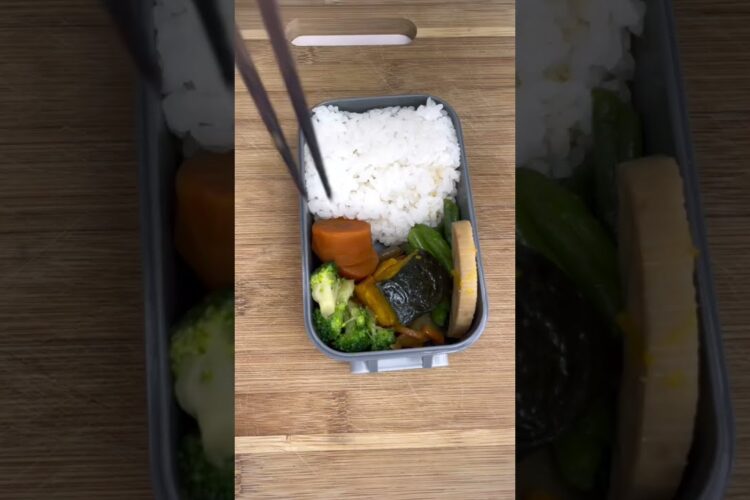
Discover Why Japanese Food Is Unique: A Culinary Journey
Japanese cuisine is not just about sushi and ramen—it’s a delightful tapestry of flavors, textures, and traditions that has captivated food lovers worldwide. If you’ve ever wondered why Japanese food is unique, you’re in for a treat! Here we’ll explore the essence of Japanese food culture, dive into some of its standout characteristics, and share how you can bring this vibrant culinary style into your own kitchen.
The Intricate Art of Japanese Cuisine
Japanese food is steeped in history and tradition, reflecting a culture that values harmony, seasonal ingredients, and artistic presentation. The philosophy behind Japanese cuisine is grounded in umami, the fifth taste that enhances flavors and creates a depth in every dish. Japanese meals prioritize freshness and quality, often highlighting the natural flavors of ingredients rather than overpowering them with spices.
A Quick Tip: When to Enjoy Japanese Cuisine
Japanese food is exceptionally versatile. Whether you’re hosting a formal dinner or looking for a comforting meal on a rainy day, Japanese dishes can adapt to any occasion. From celebratory feasts like Osechi Ryori during New Year’s to everyday delights like Donburi for quick lunches, there’s a perfect Japanese dish for every moment!
Ingredients for an Authentic Japanese Meal
Creating a fantastic Japanese meal starts with choosing the right ingredients. Here’s a list of essential components you’ll want to have on hand:
Key Ingredients
- Rice: Short-grain Japanese rice is a must. It’s sticky and perfect for sushi and bowls.
- Soy Sauce: Quality soy sauce adds depth and is used in marinades and dressings.
- Mirin: A sweet rice wine that brings a lovely glaze to your dishes.
- Dashi: This umami-rich stock forms the base of many soups and stews.
- Seaweed: Nori for sushi, kombu for stocks, and wakame for salads.
- Tofu: A versatile protein source, great in soups, stir-fries, or grilled.
- Fresh Vegetables: Seasonal vegetables like daikon, bok choy, and shiso add flavor and color.
- Fish: Fresh, high-quality fish is essential for sushi and sashimi.
How to Make a Classic Japanese Meal
Ready to dive into the world of Japanese cooking? Here’s a simple way to create an easy Japanese-inspired meal right at home.
Instructions
-
Prepare the Rice: Rinse 2 cups of short-grain rice under cold water until the water runs clear. Cook according to package instructions, typically 1 part rice to 1.2 parts water, in a rice cooker or on the stove.
-
Make Dashi: In a pot, combine 4 cups of water with a piece of kombu. Bring to a simmer, remove the kombu, and add bonito flakes. Let it steep for a few minutes before straining the liquid.
-
Vegetable Tempura: Slice seasonal vegetables, like sweet potatoes and zucchini. Dip them in a light batter made from flour, cornstarch, and ice-cold water, then fry until golden.
-
Create a Miso Soup: In a bowl, dissolve 2 tablespoons of miso paste into 3 cups of the dashi. Add cubed tofu and rehydrate some wakame seaweed for a splash of flavor.
-
Serve: Dish out the rice, some miso soup, and a plate of tempura vegetables. Feel free to add a side of pickled vegetables for extra color and crunch!
Tips and Variations to Customize Your Meal
-
Add Sashimi: If you’re feeling fancy, top your rice with fresh slices of sashimi-grade fish for an authentic sushi experience.
-
Experiment with Flavors: Incorporate unique seasonings like yuzu peel or togarashi for an extra layer of taste.
-
Vegan Version: Substitute tofu for fish and use vegetable dashi for a fully plant-based meal.
-
More Sides: Serve alongside traditional sides like edamame or a seaweed salad to balance out your plate.
Closing Thoughts
Japanese cuisine is a beautiful expression of culture, nature, and artistry. Bringing these flavors into your kitchen not only enhances your meals but connects you to a rich culinary tradition. So why not roll up your sleeves and give it a try? Prepare your own Japanese-inspired meal and let us know how it turned out! Share your culinary creations and tips in the comments below. Happy cooking! 🍣