Farmed vs Wild vs Sushi Salmon: Which is the Best Choice for Your Sushi Experience?
When it comes to sushi, the type of salmon you choose can significantly affect your culinary experience. If you’ve ever wondered about farmed vs wild vs sushi salmon, you’re not alone! Whether you’re an avid sushi lover or just starting to explore Japanese cuisine, understanding the differences will enhance your appreciation and enjoyment. Let’s dive in!
A Delicious Dilemma: Salmon Types
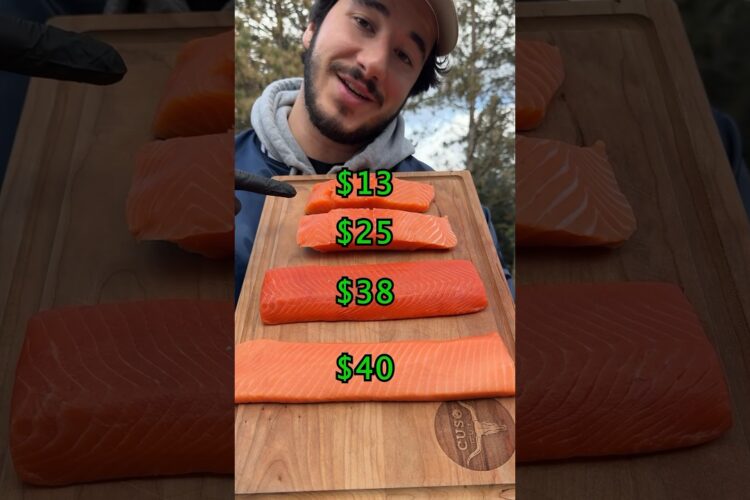
Choosing between farmed, wild, and sushi salmon can feel overwhelming. Each type offers unique flavors, textures, and benefits, making them suitable for different occasions. For instance, sushi salmon, often carefully selected, offers superior quality for that melt-in-your-mouth experience. Wild salmon, with its robust flavor, excels in grilled dishes and enhances your health with omega-3 fatty acids. On the other hand, farmed salmon offers convenience and affordability, making it a popular choice for everyday meals.
Ingredients
Understanding the ingredients in your sushi salmon is crucial. Here’s what you need to consider:
-
Farmed Salmon: Typically raised in fish farms and fed a specific diet, resulting in a milder flavor and a consistent texture. Common types include Atlantic salmon.
-
Wild Salmon: Caught in oceans and rivers, wild salmon species like Sockeye and King are known for their bold flavor and firmer texture.
-
Sushi Salmon: This type is often hand-selected for sushi restaurants based on freshness, cut, and quality. It’s critical to choose fish marked as “sushi-grade” to ensure safety.
These distinctions play a significant role in flavor profiles and how each type holds up when it comes to different preparations.
Instructions
Learning how to prepare and serve each type of salmon can elevate your home cooking game! Here’s a simple way to showcase these salmon varieties:
-
Choose Your Salmon: Decide whether you want to go with farmed, wild, or sushi salmon based on your taste preferences and budget.
-
Basic Preparation:
- For Grilled Salmon: Rub your salmon fillets with olive oil, lemon juice, salt, and pepper. Grill over medium heat for about 6-8 minutes per side.
- For Sushi-Style: Thinly slice sushi salmon and serve it raw over seasoned sushi rice with wasabi and soy sauce. Make sure to freeze the salmon for at least 24 hours before using it raw to eliminate any parasites.
-
Serving Suggestions: Pair your salmon with wasabi, pickled ginger, and a side of fresh cucumber salad for a refreshing meal.
Tips & Variations
Tips for Selecting Salmon
-
Look for Bright Color: Fresh salmon should have a vibrant hue. For sushi salmon, seek a shiny surface with no discolorations.
-
Smell Test: Fresh salmon will have a mild sea-like smell. If it smells overly fishy, it’s best to skip it.
-
Sustainability Matters: When possible, choose sustainably sourced salmon. Look for certifications like the Marine Stewardship Council (MSC) label.
Variations to Try
-
Sushi Bowls: If you love sushi, but don’t want to roll them, try making a sushi bowl with salmon, rice, avocado, and your favorite toppings.
-
Gravlax: Preserving salmon by curing it with sugar, salt, and dill is a Scandinavian classic that’s easy and delicious.
-
Salmon Poke Bowls: Use diced sushi salmon with sesame dressing, quinoa, and fresh veggies for a nutritious meal.
Wrapping It Up
Understanding the differences between farmed, wild, and sushi salmon is essential for any food lover. Whether you’re grilling up a hearty meal or creating a delicate sushi platter, the type of salmon you choose can significantly enhance your dish’s flavor and texture.
So, are you ready to embark on your salmon journey? Try it and let us know how it turned out! Which type of salmon do you prefer? Share your favorite salmon recipes in the comments below!