
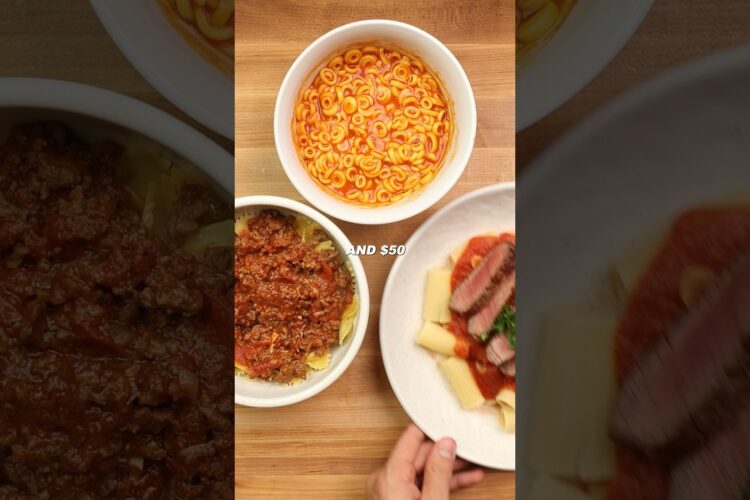
Cheap Vs. Expensive Pasta: The Ultimate Comparison Guide
If you’re a pasta lover, you know that there are countless options out there. Whether you’re whipping up a quick weeknight dinner or preparing a more elaborate meal for a special occasion, without a doubt, quality matters! In this blog post, we will dive into the world of pasta, exploring the differences between cheap and expensive pasta, and how each type can shine in various recipes. Get ready for a mouthwatering journey!
Why Pasta?
Pasta is a staple in households across the United States. Its versatility makes it perfect for families, while its rich history satisfies the culinary adventurer in us all. From spaghetti and meatballs to creamy fettuccine Alfredo, pasta dishes are loved universally. It’s popular in gatherings and dinner parties, where everyone shares a plate of warmth and joy. Plus, knowing the difference between cheap and expensive pasta can help elevate your dining experience!
Cheap vs. Expensive Pasta: A Brief Overview
When it comes to choosing pasta, price often reflects quality. Cheap pasta may be convenient, but it can lack the flavor and texture that you might be looking for. On the other hand, expensive pasta is often made from higher-quality durum wheat semolina, which yields a superior bite and taste. So, how do you choose the right pasta for your next dish? Let’s break it down!
Ingredients for Your Pasta Dishes
Basic Ingredients for Any Pasta Recipe
- Pasta: Choose between cheap or expensive based on your preference.
- Water: Use a large pot filled with water, salted generously.
- Salt: Essential for flavor.
- Olive Oil: Optional, for a touch of richness.
- Sauce: Depending on your recipe, this could range from marinara, pesto, to creamy Alfredo.
Optional Ingredients
- Vegetables: Bell peppers, spinach, or zucchini can enhance your dish.
- Protein: Include chicken, shrimp, or tofu for added nutrition.
- Cheese: Grated Parmesan complements many pasta dishes beautifully.
Instructions on How to Make Delicious Pasta
Cooking Your Pasta
- Boil Water: Fill a large pot with water and bring it to a rolling boil. Add a generous amount of salt.
- Add the Pasta: Pour in your chosen pasta and stir occasionally.
- Cook to Al Dente: Follow package instructions — typically around 8-10 minutes.
- Drain: Once cooked to your liking, drain the pasta but don’t rinse! The starch helps the sauce cling better.
Making the Sauce
- Choose Your Sauce: Opt for store-bought or homemade; a simple marinara is always a crowd-pleaser.
- Sauté Add-Ins: If you’re using vegetables or proteins, sauté them in olive oil in a separate pan until cooked.
- Combine: Add the drained pasta to your sauce and mix well. Allow it to simmer together for a few minutes for the flavors to meld.
Tips and Variations for Your Pasta Dishes
Tips for Choosing Pasta
- Texture Matters: Expensive pasta often has a rougher surface, which allows the sauce to adhere better.
- Ingredient Quality: Look for 100% durum wheat semolina for higher quality pasta.
Variations to Explore
- Pasta Salad: Use cold, cooked pasta mixed with veggies, a protein, and a zesty dressing for a refreshing meal.
- Baked Pasta: Turn your dish into a satisfying casserole with cheese, layers of sauce, and baked until bubbly.
Serving Suggestions
- Pair your pasta with a glass of red wine for an authentic Italian experience.
- Serve with garlic bread and a side salad for a full-course meal.
Conclusion: Which Pasta Will You Choose?
In the end, the choice between cheap and expensive pasta really comes down to personal preference and occasion. Both can create delicious dishes with the right ingredients and love poured into them. So whether you opt for a budget-friendly option or splurge a little, just remember: the best homemade pasta dish is one you enjoy.
Try this guide to create your next pasta masterpiece, and let us know how it turned out! Whether it’s a cheap and cheerful bowl or an indulgent plate of gourmet goodness, there’s pasta for everyone!