
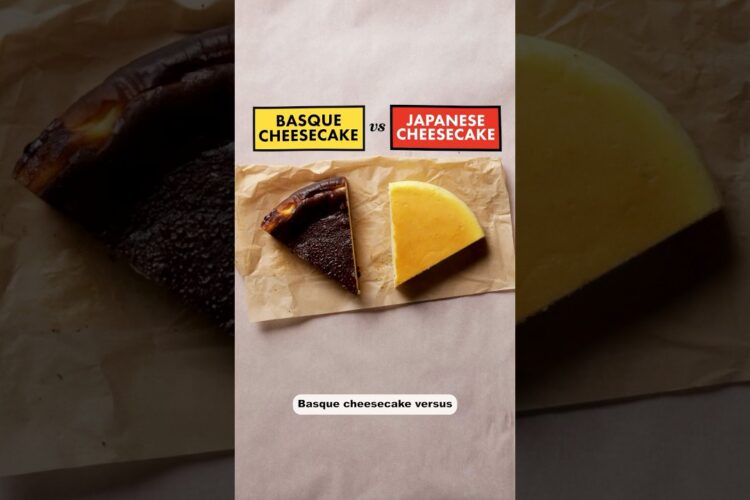
Basque Cheesecake vs. Japanese Cheesecake: The Ultimate Guide to These Irresistible Treats
Cheesecake lovers, rejoice! If you’re torn between the creamy elegance of Basque cheesecake and the fluffy delight of Japanese cheesecake, you’re in the right place. Both are delicious desserts that deserve a spot in your kitchen, and today, we’ll explore the differences, how to make each one, and tips to elevate your cheesecake game. Get ready to impress your friends and family with these easy cheesecake recipes!
A Slice of Cheesecake History
Did you know that Basque cheesecake hails from the charming Basque region of Spain? Known for its burnt top and creamy interior, it has gained immense popularity in recent years, thanks to Instagram. Conversely, Japanese cheesecake, which originated in the Land of the Rising Sun, is known for its light, airy texture and jiggly appearance. Both cheesecakes have unique characteristics that make them stand out and are perfect for any occasion, from birthday parties to casual dinner gatherings.
Ingredients
Basque Cheesecake
- Cheese: 2 pounds of cream cheese, softened
- Sugar: 1 cup granulated sugar
- Eggs: 4 large eggs
- Heavy Cream: 1 cup
- Vanilla Extract: 1 teaspoon
- Flour: 1/4 cup all-purpose flour
- Salt: A pinch for balance
Japanese Cheesecake
- Eggs: 6 large eggs, separated
- Cream Cheese: 8 ounces, softened
- Sugar: 1 cup for egg whites, 1/4 cup for cream cheese mixture
- Butter: 1/2 cup unsalted butter
- Milk: 1/2 cup
- Cornstarch: 1/4 cup
- Lemon Juice: 1 tablespoon for a hint of tang
- Salt: A pinch for flavor
Instructions
How to Make Basque Cheesecake
- Preheat your oven to 400°F (200°C). Line a 9-inch springform pan with parchment paper, allowing the paper to overhang the sides.
- In a large mixing bowl, beat the softened cream cheese with sugar until smooth and creamy.
- Add the eggs one at a time, ensuring each is fully incorporated before adding the next.
- Pour in the heavy cream and vanilla extract, mixing until smooth.
- Gradually stir in the flour and salt, ensuring a consistent batter without lumps.
- Pour the batter into the prepared pan and bake for 50 minutes or until the top is dark brown and the center is jiggly.
- Let it cool at room temperature for 2 hours, then refrigerate for at least 4 hours before serving.
How to Make Japanese Cheesecake
- Preheat your oven to 320°F (160°C). Grease an 8-inch round cake pan and line the bottom with parchment paper.
- In a double boiler, melt the cream cheese and butter together, mixing until smooth.
- Remove from heat and whisk in milk and lemon juice.
- In a separate bowl, whisk the egg yolks and gradually incorporate them into the cream cheese mixture.
- In another clean bowl, beat the egg whites until soft peaks form. Gradually add sugar, whipping until stiff peaks form.
- Fold the egg whites into the cream cheese mixture gently to maintain airiness.
- Sift in cornstarch; fold until combined.
- Pour the batter into the prepared pan and bake for about 60 minutes. The top should be golden brown, and the center should be soft but not liquid.
- Let it cool before removing from the pan. Chill before serving for the best texture.
Tips & Variations
- Serving Suggestion: Serve Basque cheesecake with a berry compote for a fruity contrast. Pair Japanese cheesecake with whipped cream or fresh fruit to balance its lightness.
- Gluten-Free Option: Substitute gluten-free flour in Basque cheesecake.
- Flavor Variations: Add a teaspoon of matcha powder to the Japanese cheesecake for a unique green tea flavor, or experiment with citrus zest for added freshness.
In conclusion, whether you choose to make the best Basque cheesecake recipe or the flavorful Japanese cheesecake, you can’t go wrong. They’re both unique indulgences that will impress anyone fortunate enough to taste them. Why not try them both and see which one becomes your favorite? Try it and let us know how it turned out!